

What to Consider When Buying a Used Screen Printing Machine?
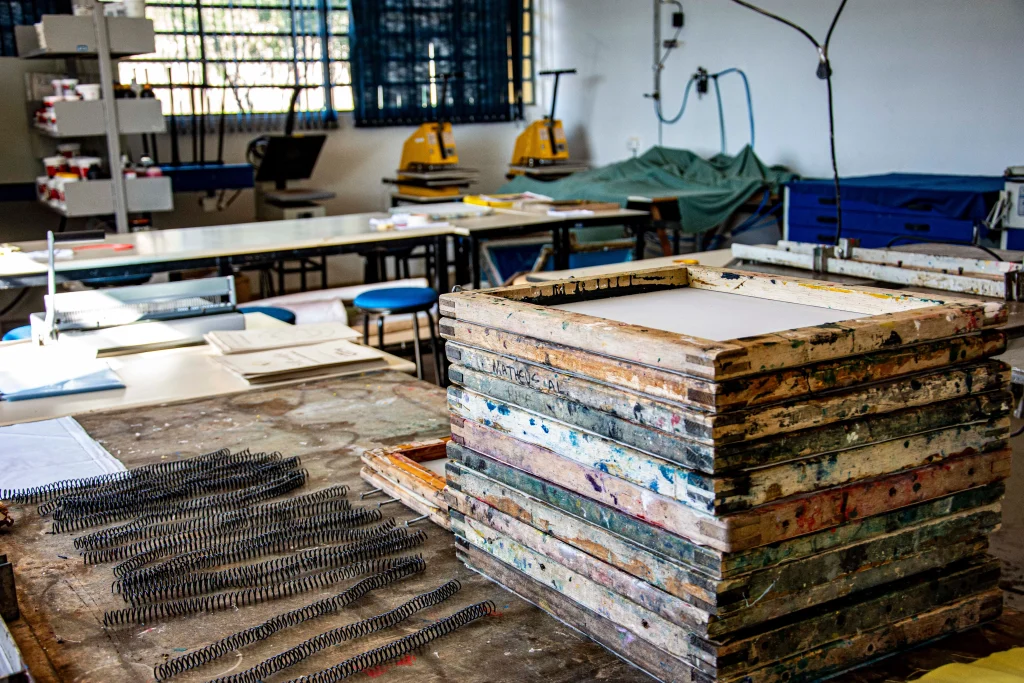
Used screen printing machine Buying a used printing press might make sense for a workshop looking to reduce initial investment costs. However, just because a used printing press seems affordable doesn't mean it's truly economical for production. Table flatness, plate attachments, mechanical clearances, vacuum system, electrical or pneumatic components, spare parts accessibility, and necessary maintenance should all be considered.
Especially for first-time screen printing equipment buyers, making a decision based solely on advertised price is a significant risk. A used machine that isn't suitable for your current needs, along with subsequent repairs, parts replacement, transportation costs, and production waste, can negate the initial price advantage.
Therefore, before evaluating a used machine, consider a new one. screen printing machines It is necessary to compare them from a technical perspective. The goal is not necessarily to buy a new machine; it is to determine which option meets your actual production needs with lower risk and more manageable total cost.
Short answer: A used screen printing machine can be purchased; however, before buying, the printing area, table flatness, plate attachment, moving mechanisms, vacuum system, electrical or pneumatic equipment, past usage conditions, and spare parts availability should be checked. If possible, the machine should be tested by applying actual prints.
Contents
- What is a used screen printing machine?
- Is it advisable to buy a used screen printing machine?
- Things to check before buying
- Table and body inspection
- How is the vacuum system controlled?
- Mechanical components and mold connections
- Additional controls on semi-automatic machines.
- Why is print testing essential?
- How is the true cost of a used item calculated?
- New or used?
- Which type of machine should be chosen?
- Machine selection and technical support in Türkiye.
- Frequently Asked Questions
What is a used screen printing machine?
A used screen printing machine is printing equipment that has been previously used in production by another business or user and is then resold. This machine can be a manual apparatus, a vacuum flatbed, a textile printing press, a large-format manual machine, or a semi-automatic system.
In screen printing, the basic principle is that paint or ink is transferred from open areas on a stretched mesh to the printing surface using a squeegee. Those who want to examine the basics of the technical process... According to the Metropolitan Museum of Art's screenprint description... or MoMA screenshot resourcesYou can look it up. For broader terminology... Screen printing technical summary It is a helpful starting resource.
The machine is only the mechanical part of this process. Suitable for production. screen printing plates, You will also need a squeegee, paint, emulsion, drying equipment, and a work setup. If you don't know all the production steps of screen printing, you should first... How to do screen printing guide Reviewing the details makes it easier to understand which machine you really need.
Short answer: The age of a used machine is not a sufficient evaluation criterion on its own. What matters is how the machine has been used, the condition of its mechanical structure, whether it maintains its printing accuracy, and whether it is compatible with your current production process.
Should I buy a used screen printing machine?
Yes, a used screen printing machine can be used if it's in good technical condition and suitable for the job. The evaluation process can be easier, especially with simple, fully mechanical manual machines, compared to complex automated systems.
However, "second-hand" is neither an advantage nor a disadvantage in itself. For example, a large, worn-out industrial machine may not be suitable for a business that wants to print in single color and in low quantities on small products. For such a user, a new one would be better. screen printing desktop printing apparatusor floor-standing screen printing apparatus This can create a simpler and more manageable solution.
For regular paper, cardboard, label, PVC or similar flat surface printing, it is important that the product remains stable during printing. For these types of applications... vacuum manual screen printing machine The features of new alternatives, such as those mentioned, should be compared with the used machine being considered for purchase.
To evaluate the usage scenarios of the screen printing machine in more detail. Applications of manual screen printing machines The guide will also be helpful.
In what situations might a used machine be a sensible option?
- If the machine is technically suitable for the job,
- If the table and body geometry are intact,
- If there is no excessive play in the moving mechanisms,
- If the vacuum or automation system is working properly,
- If the necessary parts are available,
- If the machine can be tested under actual pressure,
- If it remains economical after transportation and maintenance.
In what situations should one stay away?
The risk increases if the machine cannot be started, if information about past malfunctions is unavailable, if the table is severely deformed, if the connection mechanisms have been repaired with welding or makeshift solutions, if safety elements are missing, or if it is unclear whether critical parts can be found.
Short answer: Evaluate a used machine not based on its "purchase price," but on its total cost after it's ready for production. Comparisons that don't account for transportation, maintenance, electrical or pneumatic overhauls, mechanical part replacements, and lost production time can be misleading.
15 Things to Check When Buying a Used Screen Printing Machine
- Measure the actual table and work surface dimensions of the machine.
- Check if the net printing area is sufficient for your needs.
- Check the flatness of the table.
- Look for deformation at the body and weld points.
- Check the mold holder and hinge systems.
- Examine the gaps in the movable arms.
- If there is a recording or fine-tuning system, activate it.
- In the vacuum model, test the grip across the entire table surface.
- Check the operating noise and performance of the vacuum motor.
- Examine the electrical wiring, switches, and connections.
- For pneumatic models, check the cylinders, hoses, valves, and regulators.
- Examine the condition of emergency stop and protective systems.
- Check if spare parts are available.
- Test the machine with your own mold and product.
- Compare the total cost of purchase + transportation + maintenance + overhaul with the option of buying a new machine.
The risks posed by moving parts in industrial equipment should not be ignored. For general safety principles regarding machine guards and moving mechanisms, see [link to relevant documentation]. OSHA's machine guarding guide It can be examined. The current text of the European Union's machinery safety legislation can also be found here. EUR-Lex Machine RegulationThis information is accessible via the provided platform. However, applicable legislation and occupational safety obligations in Türkiye must be verified separately according to the company's terms of use.
1. Table Leveling and Body Structure Should Be Checked
One of the first things to check on a used screen printing machine is the print bed. The bed is the primary surface on which the product is placed and which serves as a reference during printing. A bent, damaged, or dented bed can cause problems in repetitive jobs.
Don't just look visually during the inspection. Using appropriate measuring equipment to examine different points on the table will give more reliable results. Especially in long and wide machines, the effect of small geometric irregularities can increase as the printing area increases.
If you are considering a large, used system, new 70x200 vacuum manual screen printing machine, 100x200 vacuum manual screen printing machine And 80x250 vacuum-free manual printing machine Comparing different machine geometries, such as those mentioned above, allows you to have a clearer picture of the size of the system you need.
What is checked during fuselage inspection?
- Cracks or signs of subsequent intervention in the weld areas,
- Leg bending,
- The machine wobbles on the ground,
- The parallelism between the table and the molding mechanism,
- Rust and intense chemical corrosion,
- Condition of screws and connection points.
Short answer: In a used screen printing machine, paint stains or cosmetic scratches may not be a significant problem on their own. The real critical points are the build plate geometry, body accuracy, die connection, clearance of moving parts, and print repeatability.
2. How to Control the Vacuum System?
In vacuum screen printing machines, it's not enough for the motor to simply run. The system must securely and stably fix the printed product on the print bed.
After starting the machine, check the vacuum performance at different points on the table. Look for cracks in the hoses, leaks in the connections, and blockages in the table channels or holes. If the motor is making more noise than normal or the product moves easily on the table, the system may need maintenance.
Vacuum systems can be particularly helpful for positioning paper, cardboard, thin plastics, labels, and various flat products. When deciding between a vacuum or non-vacuum system, consider not only the purchase price but also how the product will be secured during printing.
General technical structure of flat surface production. industrial screen printing guide; and the specific requirements of plastic surfaces In the guide to screen printing on plastic You can check it out.
3. Mold Connection and Mechanical Clearances Should Be Examined
In manual screen printing machines, the hinges, shafts, bearings, and mold holding points can wear down over time because the mold is constantly being opened and closed. This wear can make it difficult for the mold to return to the same position with each print.
This is particularly important in jobs requiring precise registration. Lift and close the mold a few times and observe if it returns to the same point. If there is noticeable movement to the left-right or back-and-forth, the mechanical tolerances need to be checked.
The mold itself also affects the repeatability of the print. When testing the mechanical performance of a used machine, it is healthier to use a mold with proper tension. To understand mesh and mold behavior in more detail... screen printing plate tension guide You can check it out.
While establishing a new production system screen printing squeegees, Ragle tires And masks and emulsions It should also be considered together with the machine-mold-paint system.
4. Passing Doesn't Always Mean the Same Thing
Superficial oxidation may be observed on used machines. However, the location of the rust is important. Mild oxidation on a cosmetic surface of the housing is not the same as serious corrosion occurring on sensitive moving surfaces, in the bearing area, or under the table.
Heavy rust may suggest the machine has been kept in a humid environment for an extended period. For machines with electrical equipment, this necessitates a separate check of the junction boxes and terminals.
It should also be checked whether there are any signs of repair in areas that have been painted over. New paint may indicate that the machine has been well-maintained, or it may have been applied to conceal old welding or corrosion marks. Therefore, cosmetic appearance does not replace technical inspection.
5. Additional Risks in Second-Hand Semi-Automatic Screen Printing Machines
In manual machines, evaluation can mostly be done through the mechanical structure. In semi-automatic systems, however, the scope of control is broader because there are more components such as electricity, pneumatics, sensors, control elements, and motion mechanisms.
When buying a used semi-automatic machine, the following parts should also be examined:
- Pneumatic cylinders,
- Valves and regulators,
- Air hoses and fittings,
- Electrical panel,
- Contactors, relays and drives,
- Sensors,
- Ragle conveying mechanism,
- Speed and stroke settings,
- Emergency stop system,
- Protective mechanisms.
To reference the functional structure of a new machine. semi-automatic screen printing machine This can be examined. If cylindrical products are to be pressed, unlike flatbed systems, controlled rotation of the product is required; at this point semi-automatic circular printing machine Specific systems like these should be compared.
Short answer: As the automation level of the machine increases, mechanical aspects alone are no longer sufficient for second-hand control. Electrical, pneumatic, sensor, control, and safety systems must also be evaluated by competent personnel.
6. A used screen printing machine should definitely be tested by printing.
A screen printing machine may move smoothly while idling, but it can have problems during actual printing. Therefore, if possible, a real print test should be performed on the machine before making a purchase decision.
The best test is done with the product, mold, and similar painting system that the purchasing company will use in the future. For example, if you are printing plastic panels, a short test done only on paper may not fully represent your production.
Points to check in the test print
- Does the product remain stable on the display stand?
- Does the mold return to the same position every time?
- Are the records missing in the second and third editions?
- Does Ragle have sufficient range of motion?
- Is there any abnormal contact between the table and the mold?
- Does the density change at different points in the print?
- Is placing and removing the product ergonomic?
If you experience a problem with paint adhesion, remember that it's not always due to the machine. Incorrect paint, surface contamination, preparation, or drying problems can also produce similar results. To make this distinction... Why doesn't the screen printing ink stick? The guide can be helpful. However, for low surface energy plastics like PE and PP... Screen printing on PE and PP. The circumstances should also be evaluated.
7. Is the machine's size suitable for the needs?
In used equipment listings, a larger machine might seem more advantageous. However, a machine that is too large can take up more space, be difficult to transport, and create unnecessary workspace in small-scale production. A machine that is too small, on the other hand, will limit your plate and printing area.
When selecting a machine, distinguish between four different measurements:
- The external dimensions of the product,
- Net printing area,
- The outer dimensions of the mold,
- The usable size of the machine table.
One common mistake is assuming that the printing area and the table dimensions are the same thing. The plate requires a designated start and end area for the squeegee, as well as an ink allowance. The plate must be able to move freely on the machine.
8. What to Look For When Buying a Used Textile Printing Machine?
Textile screen printing requires different specifications than flatbed industrial machines. If printing on t-shirts or fabric bags, the flatness of the pallet onto which the product is placed, the mold connection, and especially the registration settings in multi-color systems become crucial.
A simpler approach in monochrome production. t-shirt printing machine That might be sufficient. If multi-color production is the goal. 4-color, 1-station screen printing press The mechanical structure of second-hand alternatives should be compared with systems that require registration, such as those mentioned above.
In a used multi-color printing machine, one arm being positioned differently than the others, bearing or linkage play, and wear in the registration mechanism can all lead to colors not overlapping in the print.
9. A Machine Alone Is Not Enough to Set Up a Workshop
Finding a used machine at a reasonable price can sometimes lead to an overestimation of the total investment cost. Screen printing production is not just about the printing machine.
According to the production model screen printing exposure machines, mold making equipment, mold washing cabinets, screen printing drying systems and various screen printing auxiliary materials It may be necessary.
To plan the initial workshop investment as a whole. Cost of setting up a screen printing workshop The content helps you evaluate the production system as a whole, instead of focusing solely on machine price.
Short answer: A very affordable used printing press alone won't get you started in production if you don't have the necessary infrastructure for exposure, plates, squeegees, inks, washing, and drying. The purchase budget should be prepared to accommodate the entire production line.
How to Calculate the True Cost of a Used Screen Printing Machine?
When comparing used machines, the advertised price is only the initial factor. It's more accurate to consider the actual investment cost as follows:
| Cost item | Issues that need to be checked |
|---|---|
| Machine purchase price | The basic price requested from the seller. |
| Transport | Transportation requirements depend on the size and weight of the machine. |
| Upload / Download | Whether additional equipment is needed in large systems. |
| Care | Bearings, hinges, connections and motion mechanisms. |
| Vacuum system | Motor, hose, leak and plate maintenance. |
| Electrical / pneumatic | Need for revision in semi-automatic systems |
| Missing equipment | Squeegee, molding apparatus, pedal, control elements, etc. |
| Production loss | A stoppage that may occur due to malfunction or misalignment. |
Once these specifications are available, a comparison should be made with the cost of a new machine suitable for a similar task. To examine the technical specifications of new machine options directly from the manufacturer's website... screen printing machine models It can be checked.
New or Used Screen Printing Machine?
| Criterion | Used Machinery | New Machine |
|---|---|---|
| Initial purchase cost | It could be lower. | Generally, a higher initial investment is required. |
| The history of the machine | It may not always be known for sure. | No usage history available. |
| Size selection | Limited by the current machine. | The current model or a suitable production option can be evaluated. |
| Care needs | Revisions may be required upon purchase. | It may be more limited initially. |
| Part compatibility | Older models should be investigated. | Verified with the manufacturer. |
| Technical support | It may vary depending on the seller and model. | This can be evaluated through the manufacturer or supplier. |
| Special business needs | Adaptation to the existing geometry is required. | A solution tailored to the needs can be explored. |
There is no single right answer for every user here. A used machine in good technical condition, with the correct dimensions and at a reasonable price, might make sense. Conversely, a new machine might offer lower operational risk than a system requiring extensive overhaul, unsuitable for your production, or with unclear parts.
When evaluating the purchasing channel Where to buy a screen printing machine? and in terms of manufacturer selection Selection of a screen printing machine manufacturer in Türkiye The guides can also be consulted.
Short answer: When deciding between new and used, the correct question should not be "which is cheaper?", but "which meets my production needs with a lower total cost and acceptable operational risk?".
What type of screen printing machine do you need?
Instead of buying the first suitable machine you come across in the used market, you should first determine the usage scenario.
| Production needs | Systems that can be evaluated | Basic control |
|---|---|---|
| Small monochrome works | Desktop or floor-standing stand | Mold connection and table |
| Paper, cardboard, labels | Vacuum manual machine | Vacuum distribution and table flatness |
| Long panels and sheets | Large size manual system | Table geometry and workspace |
| T-shirts and textiles | Single-arm or multi-colored loom | Registration mechanism and pallets |
| Round product | Circular printing system | Rotation and synchronization |
| More controlled production | Semi-automatic system | Mechanical + electrical + pneumatic control |
If you are starting screen printing for the first time, let's look at more basic production options. in the home screen printing guide You can see it. If professional production is to begin, the workshop layout, mold preparation, and drying system must be planned from the outset.
Don't overvalue the molds and consumables that come with a used machine.
Sales advertisements may include old molds, squeegees, paints, or emulsions along with the machine. The usability of these items must be checked separately. Especially with chemical consumables, economic value should not be assumed without evaluating the product's storage conditions and manufacturer information.
In molds, mesh tension, frame accuracy, and bonding areas should be examined. In squeegees, wear and deformation of the rubber edge are important.
For new consumable and auxiliary equipment options Screen printing materials guide with professional screen printing supplies category It can be used for comparison purposes.
Why are spare parts and technical support important for used machines?
Even if the machine you purchase is working today, you may need bearings, fittings, electrical components, pneumatic components, or special mechanical parts in the future. Therefore, it is necessary to identify the manufacturer, model, and critical parts used in the machine as much as possible.
Replacing parts in custom-made machines, where the make, model, and production history are unknown, can sometimes be much more difficult than replacing a standard product. If a custom part needs to be remanufactured, additional measurement and manufacturing costs may arise.
Therefore, when comparing used car prices, service and parts access should be considered as economic variables.
Questions to Ask the Seller
- Since what year or period has the machine been in use?
- Which products were printed?
- What was the daily or seasonal usage intensity?
- Why is it being sold?
- Which parts were replaced previously?
- Has any welding or body repair been performed?
- Has the vacuum motor been replaced?
- Has the electrical or pneumatic system undergone any modifications?
- Is the machine currently being used in production?
- Is it possible to conduct a real print test?
- Which parts are included with the machine?
- Is the original document or technical drawing available?
- How will the dismantling and transportation be carried out?
- What are the machine's energy and air requirements?
- What are the current malfunctions?
The vendor's answers alone do not substitute for technical verification; however, they do help you understand the machine's history.
Is it a good idea to buy a used camera based on a photo?
Photographs should only be used for preliminary screening. It is not possible to discern mechanical imperfections, bed geometry, vacuum performance, or print repeatability of a properly painted or cleaned machine from a photograph alone.
If remote purchasing is necessary, a detailed video may be requested. The video should show not only the machine turning on and off, but also the actual printing cycle. For vacuum systems, the stability of the product should be demonstrated; for semi-automatic systems, the completion of all movements and the operation of the control elements should be shown.
Short answer: When buying a used screen printing machine, the photograph alone is not sufficient for making a decision. The most reliable method is to inspect the machine in person and, if possible, perform a test print on a material similar to your own product.
Screen Printing Machine Selection and Nationwide Supply in Türkiye
Machine selection depends more on the job than the city; however, product options can be reviewed through regional pages in terms of equipment and consumables supply. Users in Istanbul Istanbul screen printing supplies, Businesses around Ankara Screen printing supplies in Ankara., Users in the Aegean Region Screen printing supplies in Izmir. and businesses around Bursa Screen printing supplies in Bursa.You can browse the relevant product groups on their pages.
If you're unsure which machine geometry is right for your needs before purchasing a used machine, a more reliable approach is to conduct a technical evaluation based on the width, length, height, net printing area, plate dimensions, and target production quantity of your existing product.
What should you look for when evaluating a new machine instead of a used one?
After ruling out the used option, it's also not advisable to immediately opt for the most expensive or largest machine. The choice of new machine should still be based on production needs.
A simple apparatus is needed for small jobs, a vacuum system for producing smooth, flat surfaces, a wide table for long products, a suitable pallet system for textiles, and a rotating mechanism for round products. The decision to purchase a printing machine should always be made in conjunction with the product and mold to be used.
Paint, molds, squeegees, and other auxiliary products that are not included with the used system or may be needed later also affect the total investment. Therefore, seeing the entire product line before deciding on machinery reduces potential incompatibilities later on.
Conclusion: Don't look for a cheap used machine, look for the right machine.
Used screen printing machine Under the right conditions, it can be an economically viable investment. However, making a purchasing decision based solely on price can lead to costly mistakes, especially for businesses just starting out in production.
First, determine what you will be printing, the product dimensions, the printing area, the daily production target, and the mold system. Then, check the table leveling, mechanical connections, vacuum, electrical or pneumatic components, and actual printing performance of the used machine. Finally, compare it to a new machine alternative by adding maintenance, transportation, and missing equipment costs.
To evaluate which system would be more suitable based on your current product dimensions, please consult Okan Gökhan. screen printing equipment and machine options You can examine them and compare machine types according to your technical needs before making a purchase decision.
Frequently Asked Questions About Used Screen Printing Machines
1. Is it wise to buy a used screen printing machine?
A used screen printing machine in good technical condition, suitable for your print size, and tested under real production conditions can be economical. However, the advertised price alone is not the deciding factor. Transportation, maintenance, missing parts, vacuum motor, electrical or pneumatic overhaul costs, and potential production downtime costs must also be factored in. If the total cost approaches that of a new machine, the price advantage of a used option may lose its meaning.
2. What is the most important check when buying a used machine?
A single check is not sufficient; however, table geometry and actual print testing are among the most critical steps. The machine may run smoothly idle, but gaps, registration misalignment, or table problems may arise when the plate is attached. Therefore, if possible, several consecutive prints should be made with equipment similar to the product and plate to be used, and it should be checked whether each print lands in the same position.
3. How to test a used vacuum screen printing machine?
Start the vacuum motor and check that it's not just making noise, but actually gripping the product. Test the suction power in different areas of the tray. Check for leaks or blockages in the hose, fittings, and channels. If the product moves during the squeegee motion, the vacuum system, tray surface, or fastening mechanism should be thoroughly inspected.
4. Are old screen printing machines necessarily bad?
No. The age of a machine alone does not determine its technical condition. An old manual machine with a simple and robust mechanical structure and regular maintenance may be in good condition. Conversely, a machine that looks newer but has been heavily used or improperly repaired may be problematic. Instead of age, the body, table, bearings, connections, vacuum, automation, and print repeatability should be examined.
5. Is a used manual screen printing machine a safer choice?
Even simple manual machines require technical and occupational safety checks; however, the number of components is generally fewer than in semi-automatic systems. In semi-automatic machines, in addition to the mechanical structure, pneumatic cylinders, valves, sensors, electrical panels, and control equipment must also be evaluated. Therefore, the scope of pre-purchase technical review should be broadened for complex systems.
6. What should the price of a used screen printing machine be?
There is no single correct price for a used machine. The price varies depending on the model, table size, vacuum system, automation level, usage condition, maintenance needs, missing parts, and current alternatives. Therefore, instead of making a decision based on an unverified general price range, it is more accurate to calculate the total cost of the machine ready for production. A comparison should also be made with the current conditions of a new equivalent system.
7. Are paint imperfections and scratches on the machine important?
Cosmetic paint residue or superficial scratches don't always indicate a serious mechanical problem. However, plate curvature, body deformation, cracked welds, worn joints, or plate holder clearance can directly affect print quality. Therefore, the working geometry and actual printing performance should be evaluated more than the machine's appearance.
8. Is it a good idea to buy a used machine online without seeing it first?
Ideally, it's not recommended. Plate flatness, bed clearance, vacuum performance, or registration accuracy cannot be determined from a photograph alone. If on-site inspection is not possible, a detailed video of the process, a real print image, and close-ups of critical mechanisms may be requested. Even so, remote inspection does not provide the same level of certainty as a physical inspection.
9. Is it possible to make molds together with a used machine?
While they are available, the usability of the molds must also be checked. Frame accuracy, mesh tension, bonding areas, and the current emulsion status should be evaluated. Including old molds in the machine package does not mean they all have economic value. Especially in precision manufacturing, working with new or tested molds provides more predictable results.
10. Why are spare parts important for a used screen printing machine?
Even if the machine works flawlessly today, moving parts, bearings, electrical components, or pneumatic components may need to be replaced in the future. For machines with unknown manufacturers and models, specialized parts may need to be remanufactured. Therefore, before purchasing, it is essential to investigate whether the machine's critical components are standard and whether a source of technical support is available if needed.
11. What should be checked at a second-hand t-shirt printing facility?
The alignment of the pallets, the movement of the die arms, and especially the registration mechanism in multi-color systems should be checked. If the arms are positioned at different points, overlapping colors can become difficult. In textile systems, springs, bearings, rotary mechanisms, and pallet connections should also be examined. Testing the machine with several color registration tests, if possible, will better show the state of mechanical tolerances.
12. Should a used machine be serviced after purchase?
Even if the machine is operational, it is advisable to perform a general maintenance and safety check before putting it back into production. Connections should be tightened, moving mechanisms inspected, and necessary lubrication points evaluated according to the manufacturer's instructions. For machines with electrical or pneumatic systems, inspections should be carried out by personnel competent in these areas. Since the maintenance method varies depending on the machine model and structure, random interventions should be avoided.
13. Should I buy a used or a new vacuum screen printing machine?
The decision should be based on production volume, budget, the condition of the used machine, and maintenance risks. A used system that is technically in good condition and suits your needs may offer advantages. However, if significant overhauls are required, the vacuum system is weak, or parts availability is uncertain, the predictability of a new machine may be more valuable. Don't compare the two options solely based on purchase price.
14. What dimensions should be asked of the seller when buying a used machine?
The table width and length, usable printing area, accepted die outer dimensions, product height limit, and the total outer dimensions of the machine must be determined. For large machines, the total dimensions are also important for doorway access, workshop placement, and transportation. It is more reliable to take measurements from the actual machine rather than assuming dimensions based on the model name in the advertisement.
15. Should one consult the manufacturer before buying a used screen printing machine?
It may be helpful to consult the machine's current manufacturer or a specialized company that can provide technical information about screen printing machines. Sharing product dimensions, printing area, and plate dimensions will allow for a more accurate assessment of whether the chosen machine type is suitable for the job. Consulting is not a substitute for a physical inspection of a used machine; however, it can reduce the risk of investing in the wrong type of machine.


