
Types of Screen Printing Paints – 5 Basic Screen Printing Paint Types
Screen printing is a printing technique that has found its place in different cultures for centuries, where colors and patterns come to life in the most original ways. Perhaps the most critical element of this impressive art form is the type of screen printing ink used. Choosing the right ink greatly affects not only the vibrancy and quality of the design, but also the durability and feel of the print. So, which types of inks are used in screen printing and for which purposes are they most suitable? In this article, we will step into the world of screen printing inks, exploring the characteristics and applications of each.
Screen printing can be applied to a wide variety of surfaces, including fabric, paper, glass, and even metal. Therefore, the type of ink used must be carefully selected according to the type of surface to be printed on and the desired result. Water-based inks are frequently preferred in textile printing due to their environmentally friendly properties and ease of cleaning, while plastisol inks are known as indispensable for commercial textile printing. Solvent-based inks, which stand out with their chemical resistance and flexibility, give effective results on hard surfaces such as glass and metal.
In this article, we will discuss the technical specifications, advantages, and disadvantages of each type of screen printing ink, and which projects they are best suited for. For example, we will explore the ability of water-based inks to create breathable surfaces or the high opacity and durability of plastisol inks. We will also examine how you can opt for eco-friendly ink options to reduce the environmental impact of your prints. By learning more about screen printing ink types, you will gain confidence in choosing the most suitable ink type for your projects and take your creative process to the next level. Get ready for this detailed review!
What is screen printing and how does it work?
Screen printing is a printing technique with a wide range of uses and can be applied to a variety of surfaces. In this article, we will examine the definition and history of screen printing, the printing process, and its application areas in detail.
For more information about screen printing paint types, To the detailed article on Wikipedia You can take a look.
Definition and History of Screen Printing
Serigraphy, etymologically, is a combination of the Latin word "sericum" (silk) and the Greek word "graphein" (to write). This name comes from the silk molds used in the past. Screen Printing, It enables printing by allowing ink or other dyes to pass through a stencil applied to a thin fabric or metal mesh.
Looking at its history, the origins of screen printing techniques can be traced back to China between 960 BC and 1279 BC. However, its popularity in the Western world dates back to the early 20th century. In particular, the works of Andy Warhol, a pioneer of the Pop Art movement in the 1960s, introduced screen printing as an artistic means of expression to a wider audience.
Screen Printing Process
The screen printing process involves careful preparation and application stages. The first step is to determine the surface to be printed on and the materials to be used. types of screen printing paintsIt begins with determining the design. Then, a mold is prepared; this mold usually consists of a thin mesh stretched over an aluminum frame. A layer of emulsion is applied to the mold and fixed by exposing and drying the design.
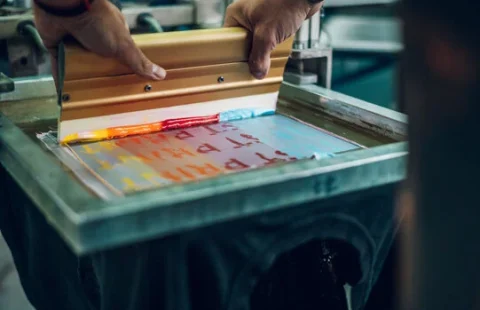
During the printing process, ink or paint is passed over the stencil using a tool called a squeegee. This ensures that the paint is transferred to the surface only through the open areas of the design. The process is repeated using a separate stencil for each color. At this point, the types of screen printing paints used directly affect the quality and durability of the print. Screen Printing Mold The choice of candidate is also important in terms of the success of the results.
Screen Printing Application Areas
Screen printing is a versatile printing technique with a wide range of applications. It can be used on many materials, from textiles to glass and metal surfaces, wood, plastic, and paper. It is a particularly popular method for t-shirts and other clothing, as well as for banners and posters. In addition, it is widely used in labeling industrial products and decorative designs.
Types of screen printing paints, These paints have been developed to provide suitability for different surfaces in these wide range of applications. Different types, such as water-based paints, plastisol paints, and solvent-based paints, offer solutions to different printing needs. For example, water-based paints offer more environmentally friendly options, while plastisol paints stand out for their durability. Screen Printing Paint The choice of material plays a significant role in determining both the aesthetic and functional qualities of the print.
In conclusion, screen printing, as a printing method that offers both flexibility and quality, has found its place in many fields, from art to industry. To get to know this comprehensive technique more closely and explore its different applications, Screen Printing You can find more information in this category.
Types of Screen Printing Paints: An Overview
Screen printing holds a significant place in the printing industry, and the materials used directly affect print quality. Screen printing inks are a fundamental element of the printing process, each specifically developed for different purposes and surfaces. In this article, we will discuss the basic properties of screen printing inks, their functional differences, and the importance of choosing the right ink.
Basic Properties of Screen Printing Paints
Screen printing inks are produced with different properties to enable printing on a variety of surfaces. Water-based paints, They stand out with their environmentally friendly properties. They are widely used, especially in textile products, and provide a soft touch. Plastisol paints These dyes are more durable and are often preferred for fabric printing. They have a shorter drying time and are fixed by drying at high temperatures.
Another important type of screen printing paint is... These are solvent-based paints.. These paints are designed for use on hard surfaces such as metal, glass, and ceramics. UV-curable paints It dries quickly under UV light, creating a glossy and durable surface. These paints are preferred in production lines with high printing speeds.
Each type of screen printing ink has different properties depending on the application surface and intended use. This variety offers solutions tailored to the needs of different sectors and provides a wide range of applications. If you would like to learn more about different types of screen printing inks, screen printing paint You can find detailed information in this category.
Functional Differences of Screen Printing Paints
The functional differences of screen printing inks become apparent depending on the intended use and the surface to be printed on. Water-based inks offer breathable printing and are particularly preferred in sportswear and children's clothing. The biggest advantage of these inks is their environmentally friendly nature.
Plastisol paints are known for their flexibility and durability. These paints offer advantages over water-based paints in terms of density and thickness. They are ideal for achieving vibrant colors, especially on dark fabrics. For surfaces such as metal, glass, and plastic, solvent-based paints are preferred. These paints stand out for their high adhesion strength and resistance to external factors.
UV-curable inks provide time and cost savings in mass production lines thanks to their fast drying times. Additionally, these inks are preferred for their bright and vibrant colors, making them aesthetically pleasing. The functional differences of each ink should be evaluated according to the needs of the printing process. To step into a more comprehensive world of screen printing... screen printing You can browse other content in this category.
The Importance of Choosing the Right Paint
In screen printing, choosing the right ink determines the quality and durability of the print. Using the wrong ink can have negative consequences not only aesthetically but also in terms of the product's lifespan. For example, using the wrong ink on the wrong surface can cause the print to fade or peel quickly.
When choosing the right paint, the characteristics of the surface to be printed on, the expected print quality, and the intended use of the product should be considered. Water-based paints are generally suitable for indoor use and provide a soft touch. However, for outdoor products, it is recommended to use solvent-based or UV-curable paints.
Paint selection also involves sensitivity to environmental factors. Water-based paints can be an ideal option for those seeking eco-friendly solutions. At this stage, by making the right decisions at every stage of the screen printing process, both high-quality and sustainable production can be ensured. For more information about screen printing plate and paint selection, please visit [link]. screen printing stencil You can browse the category.
In conclusion, screen printing ink types play a critical role in the success of printing processes. Each ink has its own unique advantages and applications. Therefore, choosing the right type of ink is important to achieve the best results in printing.
Plastisol Paints
Among the most popular types of screen printing inks are plastisol inks. These inks are widely used, especially in textile printing. Produced by suspending PVC particles in a plasticizer, plastisol inks offer many advantages but also some disadvantages. In this article, we will examine the advantages and disadvantages of plastisol inks, their areas of use, and the precautions to be taken when working with these inks.
Advantages and Disadvantages of Plastisol Paints
Advantages:
1. Easy to Use: Plastisol inks are known for their user-friendliness and ease of application. They are compatible with screen printing machines and generally remain stable during the printing process.
2. Vibrant Colors: These dyes offer extremely vibrant and bright colors due to their high pigment density. Impressive results can be achieved, especially on dark-colored fabrics.
3. Flexibility: Plastisol dyes retain their flexibility after drying. This allows them to adapt to the movement of the fabric, preventing cracking or breakage.
4. Durability: They are resistant to fading or wear and tear over time. Their ability to retain their color after washing makes them a preferred choice.
Disadvantages:
1. Curing Time: Plastisol paints do not dry at room temperature. They require high-temperature fixation, which can increase energy costs.
2. Environmental Impacts: Due to their PVC content, plastisol paints can be harmful to the environment. Therefore, they may not be suitable for those seeking eco-friendly alternatives.
3. Thick Tissue: These paints may leave a thicker texture compared to other paints, which may be an undesirable feature for some users.
Applications of Plastisol Paints
Plastisol paints, being one of the most widely used types of screen printing paints, find their place in various fields:
1. Textile Industry: Plastisol dyes are particularly popular for T-shirt printing. Thanks to their high opacity, they can produce bright and clear prints even on dark fabrics.
2. Sportswear: These dyes are preferred for sportswear and equipment due to their durability and flexibility. They maintain their color for a long time on the clothing worn by athletes.
3. Advertising and Promotional Products: It is frequently used in promotional fabric bags, hats, and other textile products.
4. Arts and Crafts: Amateur and professional artists prefer plastisol paints because of their wide range of colors and durability.
5. Industrial Use: In industrial textiles, such as work safety clothing, the durability and permanence of plastisol dyes offer an advantage.
Precautions to Take When Working with Plastisol Paints
Working with plastisol paints requires taking certain precautions:
1. Proper Drying: These dyes require a specific temperature for drying. If the temperature is not sufficient, the dye may not adhere properly to the fabric, and the print quality may suffer.
2. Ventilation: When working with paints containing PVC, a good ventilation system is important. Vapors released during paint application can pose health risks.
3. Cleaning: Cleaning plastisol paints may require solvents or special cleaning agents. Incorrect cleaning methods can leave residue on equipment.
4. Recycling and Waste Management: To reduce environmental impact, proper disposal of plastisol waste is crucial. This is necessary for both environmental protection and legal compliance.
5. Test Editions: When creating a new design, it's important to first do test prints to see how the dye will affect the fabric. This will help prevent undesirable results.
In conclusion, plastisol paints hold a significant place among screen printing paint types. Knowing both their advantages and the points to consider will enable you to use these paints more effectively.
Water-based paints
Water-based paints are becoming increasingly popular in the modern screen printing industry, particularly due to their environmentally friendly nature and ease of use. These paints feature formulations that utilize water as a solvent, offering an ideal solution for many screen printing applications. Water-based paints stand out not only for their environmental advantages but also for their user-friendly properties.
Environmental Advantages of Water-Based Paints
The most significant environmental advantage of water-based paints is their low volatile organic compound (VOC) content. VOCs are chemicals that can harm the environment and human health when released into the air. Thanks to their low VOC levels, water-based paints offer a safer option for both applicators and the environment. The use of these paints contributes to maintaining air quality and reduces the potential for damage to the ozone layer.
In addition, water-based paints utilize renewable resources because they use water instead of petroleum-based solvents. This reduces reliance on fossil fuels, representing a significant step towards a sustainable future. Furthermore, these paints are easier and more environmentally friendly to clean and dispose of waste from, as they can be cleaned with water and produce minimal toxic waste.
Water-based paints are also known for their low odor levels. This makes working indoors more comfortable and reduces health risks for applicators. Types of screen printing paints Water-based paints are preferred among these options due to their environmentally friendly production processes and positive effects on user health.
Application Techniques of Water-Based Paints
Water-based inks are commonly used in screen printing applications and require the application of some special techniques. First, it should be noted that water-based inks tend to dry faster. Therefore, keeping the screen moist during the printing process is important. To maintain moisture, placing a damp cloth over the screen or using moisturizing sprays throughout the printing process can be effective.
In screen printing, having the correct viscosity for water-based inks is a critical factor. This directly affects the quality of the print. Ink that is too thick can make printing difficult, while ink that is too thin may not provide sufficient coverage. Therefore, the ink viscosity must be carefully adjusted before printing.
The drying process is another important factor to consider when working with water-based paints. Since these paints dry by the evaporation of water, they must be dried in a well-ventilated environment or in heated drying tunnels. Additionally, a primer may be necessary beforehand to improve adhesion of water-based paints to certain surfaces. Paying attention to these technical details improves print quality and ensures long-lasting results.
Common Problems and Solutions Related to Water-Based Paints
Some challenges that may be encountered when working with water-based inks, and their solutions, can help users utilize these inks more effectively. One of the most common problems is the ink drying too quickly and screen clogging. To prevent this, it is important to keep the screen moist during the printing process and to clean it regularly.
Another common problem is that the paint doesn't adhere well enough to some surfaces. This usually occurs when the surface hasn't been properly prepared or the paint's viscosity isn't suitable. Thorough surface cleaning and, if necessary, primer application can help resolve this issue.
Additionally, the low opacity of water-based paints can be considered a problem. In this case, paints with higher pigment content may be preferred, or printing can be done in multiple layers. Types of screen printing paints Among them, water-based products, when used with the right techniques, offer highly effective and environmentally friendly results.
In conclusion, water-based paints, when applied with the right techniques and solutions, can deliver excellent results in screen printing. With their environmental advantages and user-friendly features, these paints hold a significant place in the world of screen printing.
Soluble Dyes
Among screen printing methods, soluble inks hold a significant place. These inks become soluble using water or another solvent and can be effectively used on various surfaces. The inclusion of soluble inks among screen printing inks stems from their versatility and usability in diverse projects.
For more detailed technical information To the English Wikipedia article You can take a look.
Properties and Applications of Soluble Dyes
Soluble paints are divided into two main groups: water-based and solvent-based. Water-based soluble paints, They are preferred because they are environmentally friendly and contain fewer toxic components. These paints are suitable for use on surfaces such as fabric, paper, and wood. Water-based paints create a permanent finish after drying, but can be cleaned by dissolving them again with water.
Solvent-based soluble dyes This type of paint offers a more durable and water-resistant structure. It provides better adhesion to surfaces such as metal and plastic, and is generally more resistant to outdoor conditions. Solvent-based paints require careful application and proper ventilation due to the stronger solvent they contain.
Soluble dyes, with their wide range of applications, find their place in many fields, from the textile industry to graphic arts, advertising, and industrial design. In textiles, the soft feel and environmentally friendly nature of water-based dyes make them a preferred choice. In graphic design, the vibrant colors and long-lasting gloss of solvent-based dyes make designs more striking.
Tips for Printing with Soluble Dyes
There are several important tips to keep in mind when printing with soluble dyes. First, it's crucial to understand the properties of the surface to which the dye will be applied. Since each surface type has a different absorption and binding capacity, proper surface preparation is necessary. For example, when printing on fabric, ensuring the fabric is clean and dry will allow the dye to adhere better.
Another important point is that the paint must have the correct viscosity. Types of screen printing paints The soluble dyes used must be at the correct consistency to ensure even distribution during printing. A dye that is too thick can cause detail to be lost, while a dye that is too thin may not provide sufficient coverage.
The equipment used in the printing process is also very important. Appropriate screens and spatulas help to spread the ink evenly across the surface. Furthermore, cleaning the equipment after each print prevents accumulated ink from mixing with the next print, thus preserving print quality.
Advantages and Disadvantages of Soluble Dyes
One of the most important advantages of soluble dyes is their wide range of colors and shading possibilities. These dyes are available in vibrant and diverse colors, and it is possible to obtain the desired tone by mixing them with different solvents. Furthermore, thanks to their environmentally friendly water-based variety, they can be safely used, especially in areas with high human contact, such as the textile industry.
On the other hand, soluble paints also have some disadvantages. Water-based paints are generally less durable than solvent-based paints and are at risk of dissolving when exposed to water. Solvent-based paints, due to their strong chemical content, require health and safety precautions during application.
In conclusion, soluble dyes stand out among screen printing ink types for their versatility. Choosing the right paint according to the surface and the project., This will improve the quality and durability of the print. If you would like to explore the wide range of possibilities offered by soluble dyes and examine our products to add color to your projects, you can visit our website.
Special Purpose Screen Printing Paints
Screen printing is a printing technique used on a wide range of surfaces, from textiles to glass. This technique is quite popular thanks to the variety of screen printing inks that offer various special effects and durability properties. In this article, we will examine special-purpose screen printing inks used in the screen printing process, such as metallic and glitter inks, phosphorescent and glow-in-the-dark inks, and high-durability inks.
Metallic and Glitter Paints
Metallic and glitter paints are commonly used in screen printing to enhance visual appeal. These paints offer a bright and shimmering look, adding depth and richness to designs. Metallic paints, It contains pigments that include metallic particles, which reflect light on the surface, creating a dazzling effect. Glitter paints It is usually formulated with polyester or aluminum glitter particles, which give the surface a shimmering appearance.
The use of metallic and glitter paints in screen printing is particularly preferred in the fashion industry, for invitations, packaging designs, and many other areas. In fashion designs, These dyes add a sophisticated and luxurious touch to clothing. In invitation and card designs These paints are preferred to further emphasize the meaning of special occasions. However, there are some points to consider when working with metallic and glitter paints. For example, these paints can often have a thicker consistency than standard paints, which requires more care and attention during the printing process.
In conclusion, metallic and glitter screen printing paints are an effective way to add unique character and appeal to your designs. By using these types of paints in your designs, you can attract the attention of viewers and make your products more attractive.
Phosphorescent and Glow-in-the-Dark Paints
Phosphorescent and glow-in-the-dark paints offer a very interesting and eye-catching option in the world of screen printing. Phosphorescent paints, These paints, typically found in bright neon colors, provide high visibility in daylight. They are frequently used in safety clothing, sports equipment, and advertising signage. Phosphorescent screen printing paints are specifically designed to enhance night vision and are therefore an effective tool for conveying warning and safety messages.
Glow-in-the-dark paints collect energy from daylight and emit light in the dark. These paints are commonly used for decorative purposes, such as in children's room decorations, party accessories, and creative art projects. Besides adding mystery and fun to designs, glow-in-the-dark paints are also preferred for marking and direction. For example, they are quite effective in marking emergency exits.
Using these paints adds a dynamic element to your designs while also increasing functionality. Phosphorescent and glow-in-the-dark paints bring a new dimension to the design world, offering both aesthetic and practical solutions. However, it is important to remember that special techniques and appropriate equipment are required for the correct application of these paints. This way, you can achieve the desired effect in the best possible way.
High-Durability Paints
Screen printing is an ideal technique for applications requiring durability, and in this context, highly durable inks are of great importance. High-durability screen printing inks resist outdoor conditions, chemicals, and abrasion. These inks are widely used, especially in industrial applications, sportswear, workwear, and outdoor signage.
The durability and permanence of the print depend on the quality of the inks used in the screen printing process. High-durability inks are resistant to UV rays, preventing color fading. Furthermore, these inks are resistant to water and many chemicals, ensuring long-lasting durability without being affected by washing or external environmental factors. These properties are vital, especially for products used in harsh environments such as outdoor signage and sportswear.
High-durability screen printing inks ensure your prints remain long-lasting and aesthetically pleasing. These inks provide cost-effectiveness for businesses while offering consumers durable, high-quality products. Therefore, in screen printing projects, choosing the right ink based on the product's intended use and the conditions it will be exposed to is critical. This way, the long-term success of both the design and the product can be guaranteed.
Things to Consider When Choosing Screen Printing Paints
Screen printing is a popular printing technique used to create impressive and durable prints on textiles, paper, plastics, and many other surfaces. The success of this method largely depends on choosing the right type of screen printing ink. The correct ink selection directly affects the quality, durability, and aesthetics of your project. In this article, we will focus on the key points to consider when choosing screen printing inks.
Paint Selection Based on Project Requirements
When choosing screen printing inks, you need to carefully consider the requirements of your project. Project requirements, This can vary depending on the type of surface used, the desired color intensity, the durability of the print, and environmental factors.
- Surface Type: The type of surface to which the paint will be applied directly affects paint selection. For example, dyes used for textiles must be suitable for the fabric's texture and flexibility. For plastic or metal surfaces, paints with a different chemical composition should be preferred.
- Color and Opacity: The aesthetic requirements of your project play a significant role in paint selection. Projects requiring vibrant colors and high opacity can be achieved with screen printing paints that contain more intense pigments. Additionally, metallic or phosphorescent paints can be used to create special effects for certain projects.
- Durability: The environmental conditions to which the print will be exposed are also a critical factor in paint selection. UV-resistant paints are preferred for outdoor use, while water-resistant and chemical-resistant paints should be used for prints that will be exposed to water or chemicals.
- Manufacturer Reliability: Sourcing paint from reliable and reputable manufacturers provides assurance in terms of quality and consistency. A good manufacturer subjects their products to thorough testing and ensures they meet specific quality standards.
- Certifications and Standards: Compliance of dyes with environmental and health standards is important, especially in sensitive areas such as textiles and food packaging. For example, many manufacturers offer certifications such as OEKO-TEX, which demonstrate that their dyes do not contain harmful chemicals.
- Customer Reviews and Testimonials: Customer feedback and references also provide valuable information in the decision-making process when choosing paint. Paints that have been used successfully in similar projects before may be prioritized.
- Long-Term Costs: Low-quality inks can lead to problems such as the need for reprints and customer dissatisfaction. Therefore, high-quality inks, which may be more expensive initially, can be more economical in the long run.
- Performance Tests: Testing performance characteristics such as paint durability and color fastness can help you decide which paint is truly suitable. Reviewing performance test reports provided by manufacturers will also be helpful.
- Multipurpose Use: Some paints can be used on a wide variety of surfaces, resulting in cost savings. Versatile paints can be used in different projects, thus reducing inventory costs.
Choosing the right paint ensures your project will last a long time and achieve the desired visual impact.
Paint Manufacturers and Quality Standards
When choosing among screen printing inks, the ink manufacturers and the quality standards they offer should also be considered. While there are many different brands and products on the market, not all offer the same quality. This is where some important factors come into play:
Choosing high-quality ink improves print quality and saves money in the long run.
Cost and Performance Balance
When choosing screen printing inks, cost is generally a factor that needs to be balanced with performance. Cheap inks may seem attractive in the short term, but they can lead to performance problems in the long run. Here are some points to consider to ensure a balance between cost and performance:
By balancing cost and performance, you'll obtain the most suitable solution for your project. Choosing the right screen printing inks is critical to the success of your project.
The Future of Screen Printing Inks
Screen printing is a printing technique that has maintained its popularity over the years thanks to its versatility and applicability to various surfaces. One of the most important components in this field is undoubtedly the type of screen printing ink. These inks directly affect the quality, durability, and environmental impact of the print. How screen printing inks will evolve in the future is closely related to new technologies, environmentally friendly approaches, and changing market dynamics.
New Technologies and Innovations
Ongoing technological advancements and innovations in screen printing inks are making printing processes more efficient, faster, and of higher quality. Types of screen printing paints, With new technologies and innovations, they are becoming more customizable and suitable for specific applications. For example, paints developed using nanotechnology offer more vibrant and durable prints thanks to their finer and denser pigment structures.
Furthermore, new generation screen printing inks, such as UV-cured inks, stand out with their high drying times and energy savings. These inks increase efficiency in the printing process while significantly reducing energy consumption. Thanks to digitalization, screen printing machines supported by digital control systems and automation technologies can optimize ink consumption and minimize error rates.
Artificial intelligence and machine learning are also revolutionizing the field of screen printing inks. Thanks to these technologies, the most suitable ink type and printing technique for a given surface or material can be automatically determined, saving time and improving print quality. These technologies are particularly important in the textile industry, ensuring that prints on garments are long-lasting and durable.
The Growing Importance of Environmentally Friendly Paints
Today, environmental awareness is paramount in the screen printing industry, as it is in all industries. Types of screen printing paints, As the market is being reshaped with eco-friendly solutions, sustainability and nature-friendly approaches are gaining increasing importance. Eco-friendly paints, with their non-toxic components and low VOC (volatile organic compound) levels, are safer for both users and the environment.
Biodegradable and water-based screen printing inks are among the important innovations developed to reduce environmental impact. These types of inks release fewer harmful chemicals during application and have a lower carbon footprint in the production process. The use of environmentally friendly inks has been widely adopted, particularly in the textile and packaging industries, and this trend is expected to increase further in the future.
Furthermore, screen printing inks compatible with recyclable materials facilitate the achievement of sustainability goals and respond to consumers' growing environmental awareness. This also allows brands to gain a competitive advantage by adopting eco-friendly policies. As a result, the importance of eco-friendly options in the future of screen printing inks is increasing day by day.
Market Trends and Consumer Demands
In the screen printing inks market, consumer demands and market trends directly influence product development and innovation processes. Today's consumers demand more personalized, customizable, and innovative products. Therefore, types of screen printing paints and is diversifying and developing to meet these demands.
Among market trends, the rise of special effect paints is noteworthy. Metallic, glossy, or phosphorescent paints have become particularly popular in the fashion and textile industries, enhancing the visual appeal of products. Combined with personalized designs and special printing techniques, these types of paints are also attracting significant consumer interest.
As consumer environmental awareness increases, so does the demand for eco-friendly products. Accordingly, screen printing ink manufacturers are prioritizing environmental sustainability, offering products that do not harm the environment or pose a threat to health. This trend is leading to market expansion and the emergence of new market opportunities.
In conclusion, innovative solutions, environmentally friendly approaches, and the ability to adapt to consumer demands will determine the future direction of the screen printing inks market. To meet consumer expectations and keep pace with market trends, screen printing inks need to continuously evolve.
Frequently Asked Questions
What are the different types of screen printing paints?
The main types of inks used in screen printing are water-based, plastisol, solvent-based, and UV-curable inks. Water-based inks are preferred because they are environmentally friendly, while plastisol inks provide durability and opacity. Solvent-based inks are known for their fast drying properties, while UV-curable inks offer high-speed drying and energy savings. Each offers solutions suitable for different printing needs.
What are the advantages of water-based screen printing inks?
Water-based screen printing inks are preferred due to their environmentally friendly nature and low odor. These inks are safer for workers' health and offer a natural feel to textiles. Furthermore, water-based inks are particularly suitable for fine details and soft prints. While drying time is generally longer, this allows designs to appear clearer and more vibrant.
In which areas are plastisol screen printing inks used?
Plastisol screen printing inks are widely used, especially in textile printing. These inks offer high opacity and durability, producing excellent results, particularly on dark-colored fabrics. Furthermore, plastisol inks have a more controlled drying time, thus reducing the risk of errors during production. They are heavily preferred in sportswear, t-shirts, and other textile products.
What are the properties of solvent-based screen printing inks?
Solvent-based screen printing inks are known for their fast drying properties and high adhesion capacity. Typically used on surfaces such as glass, metal, and plastic, these inks are also durable in outdoor applications. Their structurally more permanent and water-resistant properties make them ideal for industrial uses. However, good ventilation is essential when using solvent-based inks.
How do UV-curable screen printing inks work?
UV-curable screen printing inks save energy by drying quickly under UV light. These inks allow for high-speed production and are commonly used on plastic, glass, and metal surfaces. The minimal energy consumption during the process and their instant drying properties make them an environmentally friendly option. Furthermore, UV inks generally offer brighter and more vibrant colors.
What should be considered when choosing screen printing ink?
When choosing screen printing inks, the type of surface to be printed on, environmental factors, and the durability requirements of the print should be considered. Water-based inks are suitable for environmentally friendly and soft prints, while plastisol inks offer opacity and durability. Solvent-based inks dry quickly, and UV-curable inks save energy. Selecting the type of ink best suited to your intended use and production needs is critical.
Conclusion
The world of screen printing is a fascinating field where art and design intertwine, and the types of inks used directly affect the quality and aesthetics of the final product. Water-based inks are frequently preferred, especially in textile printing, due to their eco-friendly nature and easy cleanability, while plastisol inks stand out with their durability and vibrant colors, offering an ideal option, particularly for industrial printing. Solvent-based inks provide superior adhesion and durability on surfaces such as metal and glass, offering an effective solution on various materials. UV-curable inks, with their fast drying times and energy-saving advantages, have become an indispensable part of modern screen printing processes.
Each type of ink is developed to meet different needs, and choosing the right one can make the printing process more efficient and the results more satisfying. The key to success in screen printing is selecting the correct type of ink, considering the surface and conditions of use. This will add a new dimension to your designs and projects, making your creative processes more effective.
If you're still unsure which type of paint will give the best results for your screen printing projects, you can contact our expert team for professional advice. Visit our website and browse our product range to discover the screen printing paints best suited to your needs. This way, you can make the right choices to take your projects to the next level and make the most of the limitless possibilities offered by screen printing art!