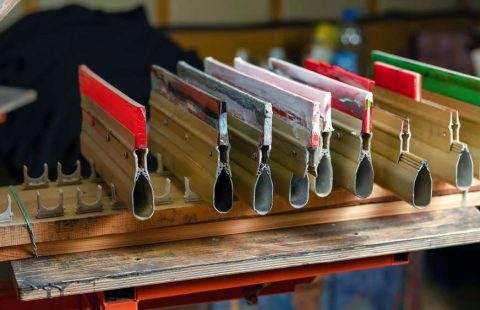

Printing Plates and the Differences Between Aluminum and Metal Molds
Contents
In industrial production processes, molding dies play a crucial role in shaping many different materials. These dies are typically made from rigid materials such as metal or aluminum, enabling products to acquire their desired shape. However, there are some fundamental differences between aluminum and metal dies. This article will provide a general overview of molding dies and examine the differences between aluminum and metal dies.
Printing Plates: Aluminum and Metal Molds
Molding dies are widely used tools in industrial production. They are used in plastic injection molding, casting, forging, and... metal forming They are used in many different processes. These molds are generally made of hard and durable materials and ensure that a particular product or part has the desired shape.

Printing plates are of great importance, especially in mass production. They are widely used in industrial manufacturing to reduce costs, increase productivity, and ensure quality. However, the type of plate to be used depends on the production requirements and the specifics of the project.
Differences Between Aluminum Molds and Metal Molds
The differences between aluminum molds and metal molds encompass various factors, from material properties to production costs. Here are the key differences between these two types of molds:
1.Material Strength and Durability:
- Metal Molds: Metal molds are typically made from hard materials like steel, providing high durability. These molds are more resistant to wear and tear and have a longer lifespan.
- Aluminum Molds: Aluminum molds are lighter and easier to machine, but they are generally not as durable as metal molds. Therefore, they may have a shorter lifespan and need to be replaced more frequently.
2.Material Strength and Durability:
- Aluminum Molds: Aluminum conducts heat better than metal molds. This property allows aluminum molds to cool down faster, which can speed up production processes.
- Metal Molds: Metal molds generally cool more slowly, which can result in longer processing times. However, this can be a desirable feature at certain stages of the manufacturing process.
3.Cost:
- Aluminum Molds: Aluminum molds are generally more affordable. The lower cost of aluminum as a material and the reduced processing costs make aluminum molds a more economical option.
- Metal MoldsMetal molds are generally more expensive, but they can be more economical in the long run. This is because metal molds usually last longer and require less frequent replacement.
- Sensibility:
- Metal Molds: Metal molds generally provide higher precision and allow for the production of complex parts. This is especially important for producing high-quality and detailed parts.
- Aluminum Molds: Aluminum molds can also be quite precise, but they may not provide the same high level of accuracy as metal molds. Therefore, they may not be preferred in the production of detailed and precise parts in some cases.
Ultimately, which type of template is better depends on the project's requirements, budget, and expectations. Both types of templates have certain advantages, and the right choice is the one that best suits the needs of a particular project.
FAQ
1. What are printing plates?
- Molding dies are tools used in industrial production processes. These dies are typically made from rigid materials such as metal or aluminum and enable a product to have a specific shape.
2. In which processes are printing plates used?
- Molding dies are used in many processes such as plastic injection molding, casting, forging, metal forming, and more. They are particularly common in mass production processes.
3. What are the main differences between aluminum molds and metal molds?
- Aluminum molds are generally lighter and more economical, but they are not as durable as metal molds. Metal molds are more durable and provide higher precision, but they are generally more expensive.
4. Should aluminum or metal molds be preferred?
- The choice of mold type depends on the project requirements and budget. Aluminum molds are generally more cost-effective and suitable for rapid prototyping or small-scale production. Metal molds, on the other hand, can be more durable and precise, making them preferable for high-volume and long-lasting production.
5. What are the advantages of printing plates?
- Printing plates play a vital role in mass production processes to reduce costs, increase productivity, and ensure quality. They can also enable the production of complex parts and provide repeatability in the process.
6. How are printing plates designed and produced?
- The design of printing molds is generally done using computer-aided design (CAD) software. These designs are then typically machined onto the material using CNC (Computerized Numerical Control) machines or produced using 3D printing technology.
7. How to maintain printing plates?
- Printing plates should be cleaned and maintained regularly. They should also be inspected regularly to prevent problems such as wear and tear. Repair or replacement of the plates may be necessary when needed.
Another example blog post: https://www.okangokhan.com/serigrafi-malzemeleri/
https://en.wikipedia.org/wiki/Screen_printing